
Jeremiah West
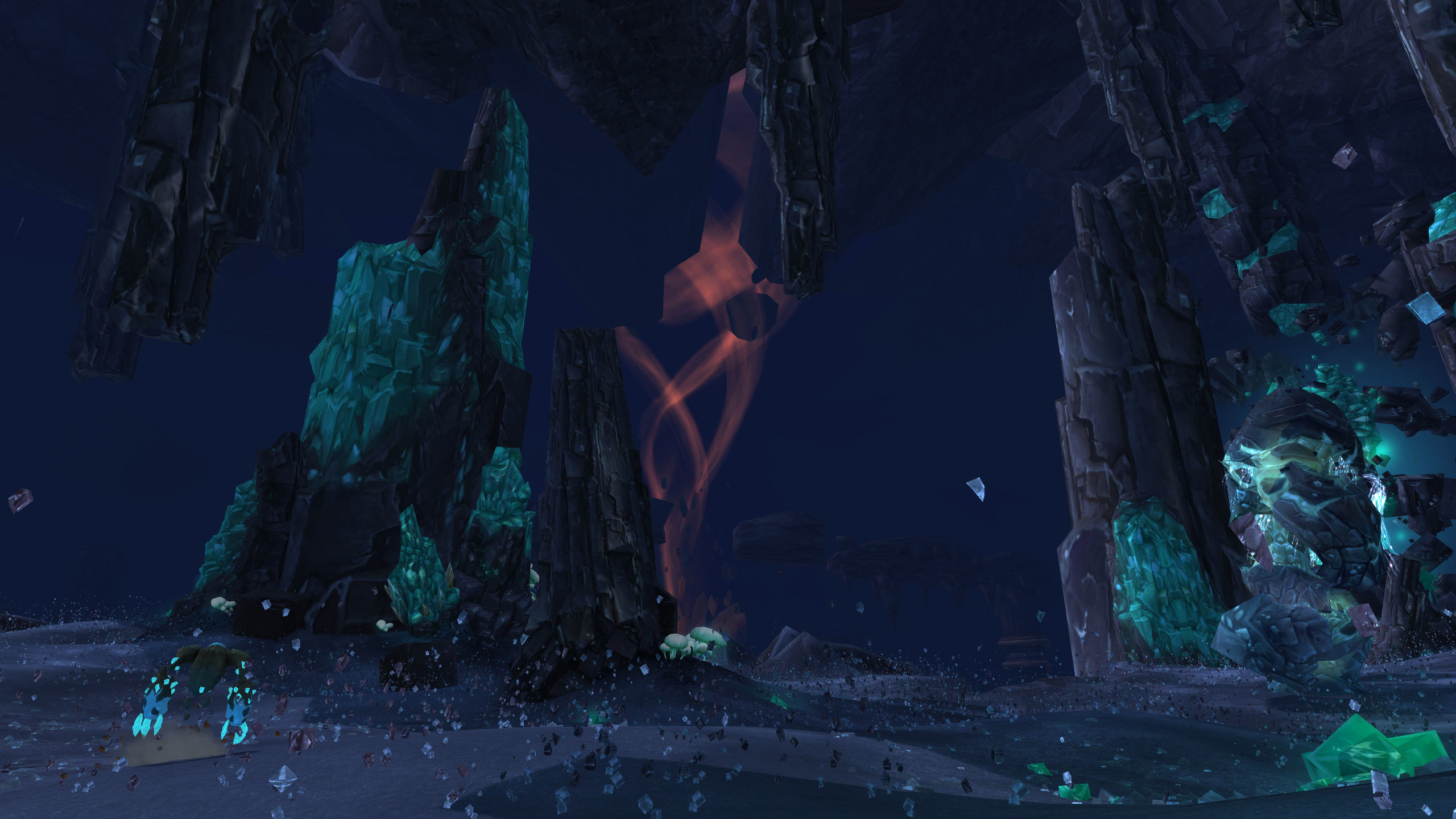
The surface of the world tells only part of its story. Beneath mountains, forests, and oceans lie vast underground civilizations whose existence challenges everything players believe about the planet’s history. These subterranean societies — from titan-forged enclaves to insectoid kingdoms, forgotten empires, and hidden sanctuaries — reveal ancient truths and mysteries that reshape our understanding of the world’s origin, ecology, and destiny.
This article explores how underground civilizations redefine the planet’s lore, how they challenge assumptions about surface history, and why the deepest places hold the most profound truths.
Layers of History Hidden Beneath the Soil
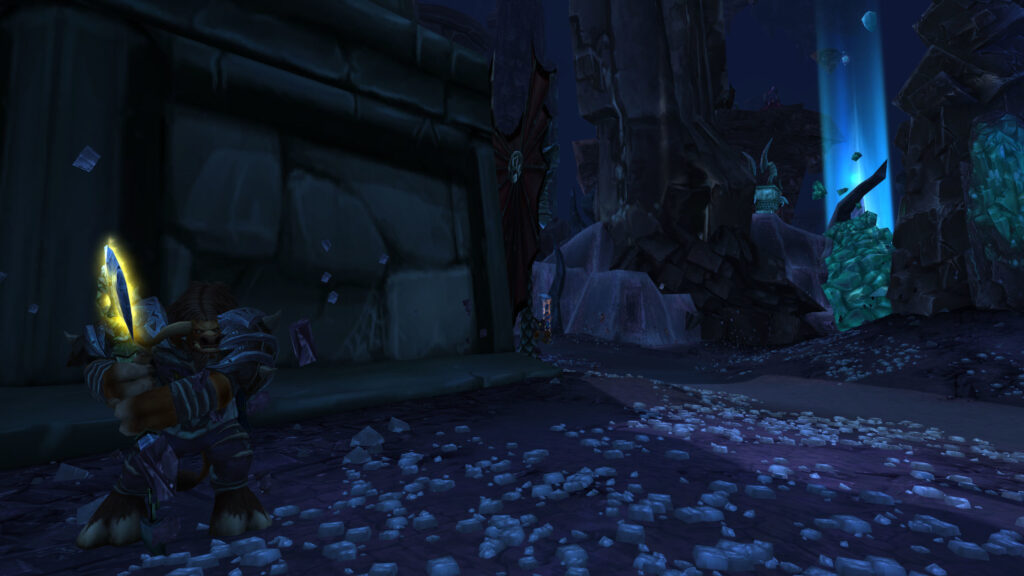
Every underground civilization reveals a different chapter of forgotten history. Titan cities carved into stone show early attempts to shape order; insectoid hives reflect ancient wars between primal and constructed forces; fungal networks hint at ecosystems untouched by sunlight. These layers prove that the world grew inward as much as outward, each civilization building upward from roots that reach back to the planet’s earliest days.
The underground holds the memories the surface has forgotten.
Civilizations Untouched by Surface Influence
Unlike surface kingdoms shaped by trade, war, and diplomacy, underground societies often evolved in isolation. Their cultures, languages, technologies, and conflicts developed independently, giving them perspectives that challenge assumptions about global history. These civilizations preserve truths lost to surface nations, offering players new insights into ancient origins and cosmic influence.

To illustrate the diversity of underground civilizations, here is a simple comparative overview:
| Underground Society | Defining Traits | Role in World Lore |
|---|---|---|
| Titan-forged enclaves | Structured, ordered, ancient machinery | Reveal the planet’s design and cosmic purpose |
| Insectoid empires | Hive structure, ritualistic hierarchy | Show early primal conflicts and survival instincts |
| Subterranean humanoid kingdoms | Adaptive architecture, cultural resilience | Reflect survival through darkness and isolation |
| Bioluminescent ecosystems | Flora and fauna thriving without sunlight | Demonstrate alternative evolutionary pathways |
| Forgotten arcane vaults | Sealed chambers of ancient magic | Contain secrets too dangerous for the surface |
Underground Geography That Defies Expectation
Subterranean regions challenge assumptions about natural limits. Caverns stretch like continents, rivers of molten stone form natural roads, and crystal forests glow with arcane light. These landscapes create emotional contrast — claustrophobic tunnels give way to breathtaking underground vistas. The planet’s interior proves as vast and diverse as its surface, transforming exploration into a layered journey through history and environment.
The underground reshapes what players believe the world can be.
Cultural Conflicts That Rewrite History
Underground societies often possess their own mythologies, wars, and political struggles independent of surface nations. These conflicts reveal alternate timelines of development, hidden threats, and ancient alliances forgotten by modern civilizations. When surface dwellers encounter these societies, their understanding of history expands — or fractures — depending on the truths uncovered.
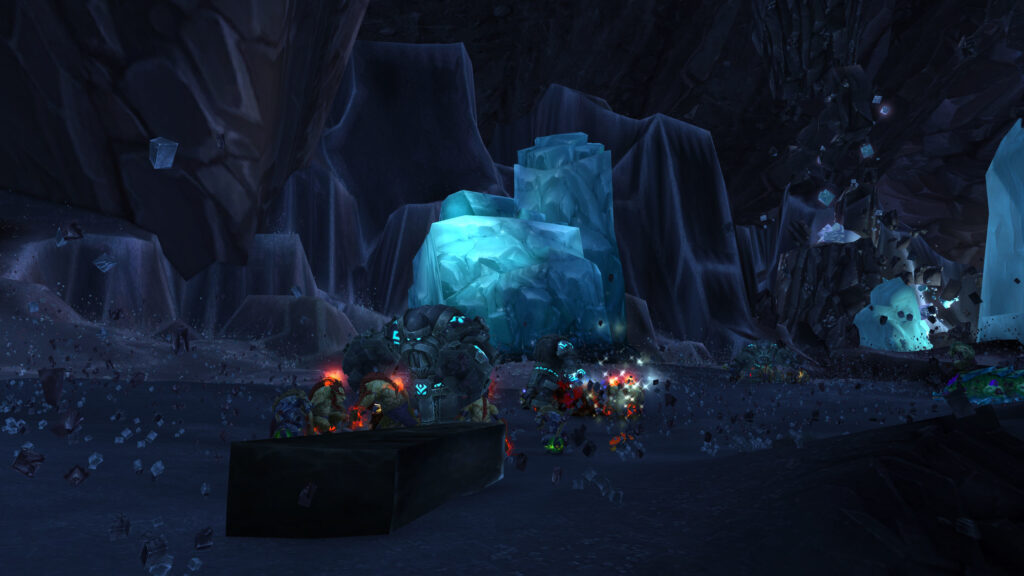
History gains depth when new perspectives emerge from below.
Why the Deep Places Matter
The underground shapes world identity by revealing that history is never one-dimensional. These civilizations prove that the planet’s story is far older, broader, and more complex than surface myths suggest. Their existence challenges players to rethink origins, cosmology, and the role of hidden forces that shaped the world long before surface kingdoms existed.
The deepest truths lie far from the sun.
Conclusion
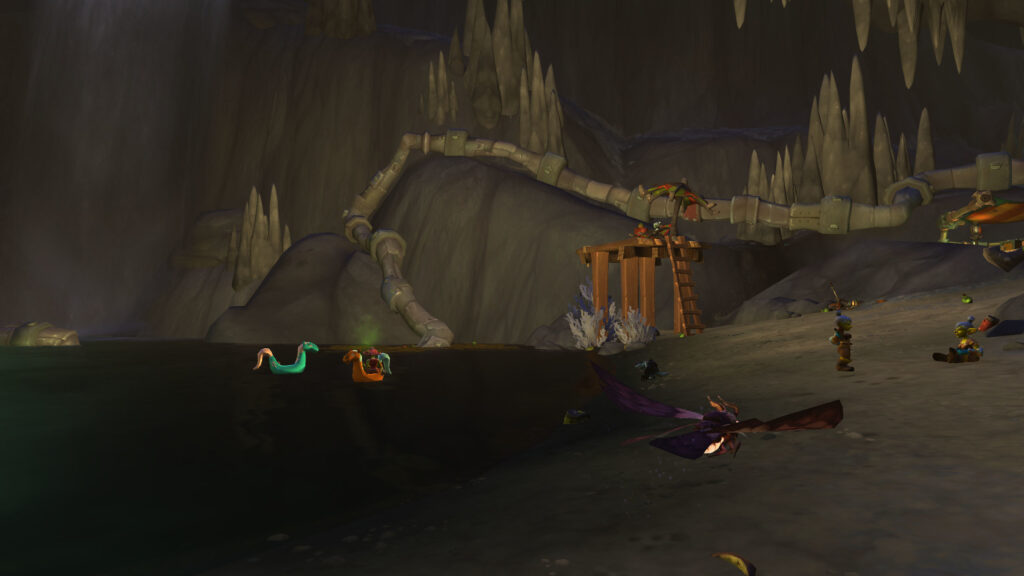
Underground civilizations challenge everything players assume about the planet’s past and future. Their forgotten histories, cultures, and environments reveal new dimensions of the world’s identity. Through these deep places, the world proves that its story extends far beyond surface boundaries — into ancient depths where secrets wait to be rediscovered.