
Jeremiah West
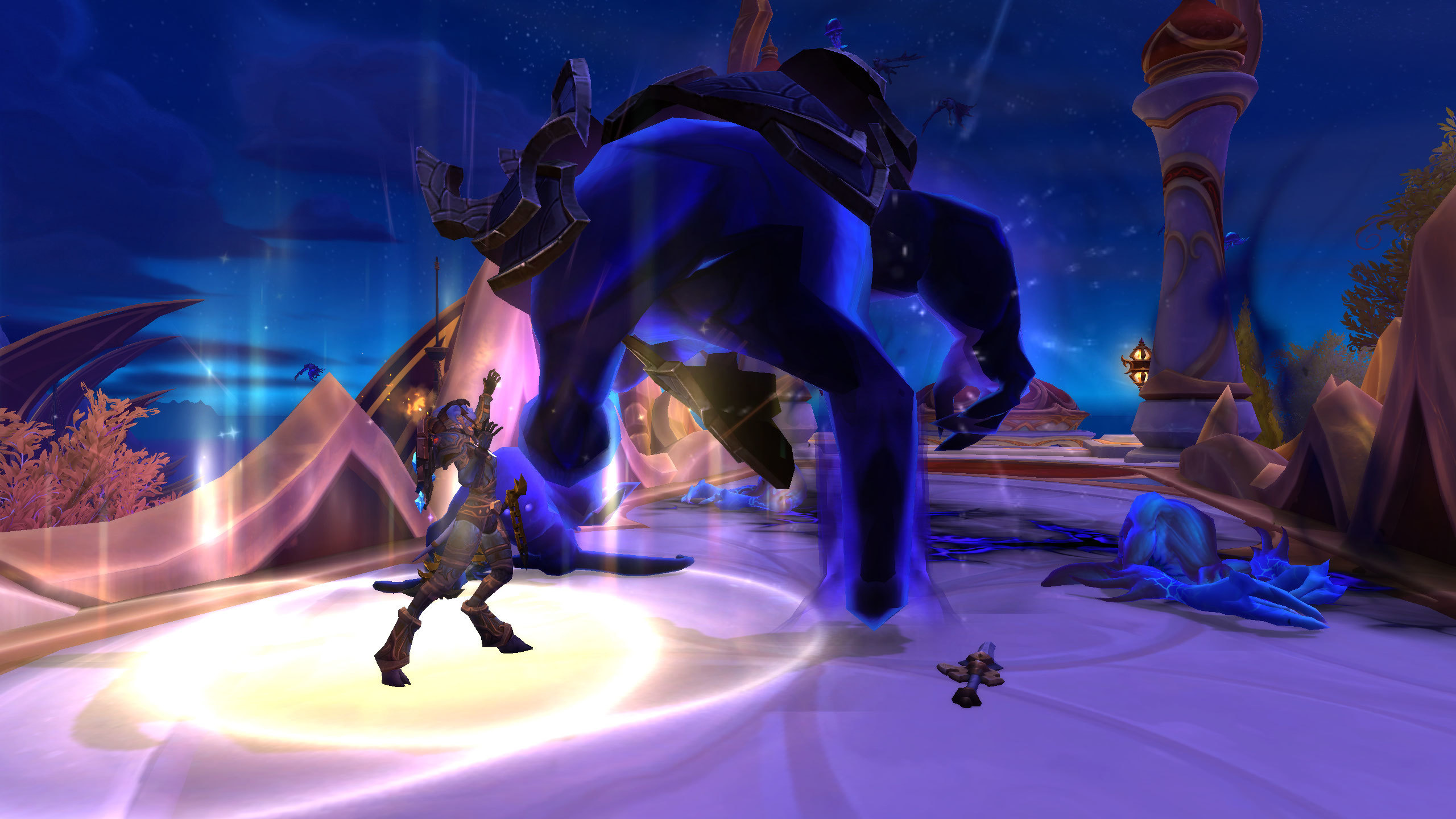
Since its launch in 2004, World of Warcraft has undergone significant changes that have shaped the game’s meta, influencing how players engage with content, build their characters, and interact in groups. The term “meta,” short for “metagame,” refers to the strategies and tactics that emerge as players adapt to the ongoing balance changes, new expansions, and the evolving nature of gameplay. This guide will delve into the key factors that have contributed to the evolution of the meta over the years, examining the impact of class design, game mechanics, and player preferences. Understanding these shifts not only enriches the gameplay experience but also provides insight into the future of World of Warcraft.

Class Design and Balance Changes
One of the most significant factors influencing the meta has been the continuous redesign and balancing of classes. Since 2004, Blizzard has made numerous adjustments to class abilities, talents, and overall roles to ensure that each class remains viable in both PvE and PvP environments. For example, during the early years, certain classes like the Warrior and Paladin dominated in PvE, leading to a lack of diversity in raid compositions. However, with the introduction of expansions like The Burning Crusade and later content, classes like the Death Knight and Monk were introduced, each with unique mechanics that shifted the meta significantly. These changes are often influenced by player feedback and the need to maintain a healthy balance, ensuring that no single class or spec becomes too overpowered.
Expansion Packs and New Content
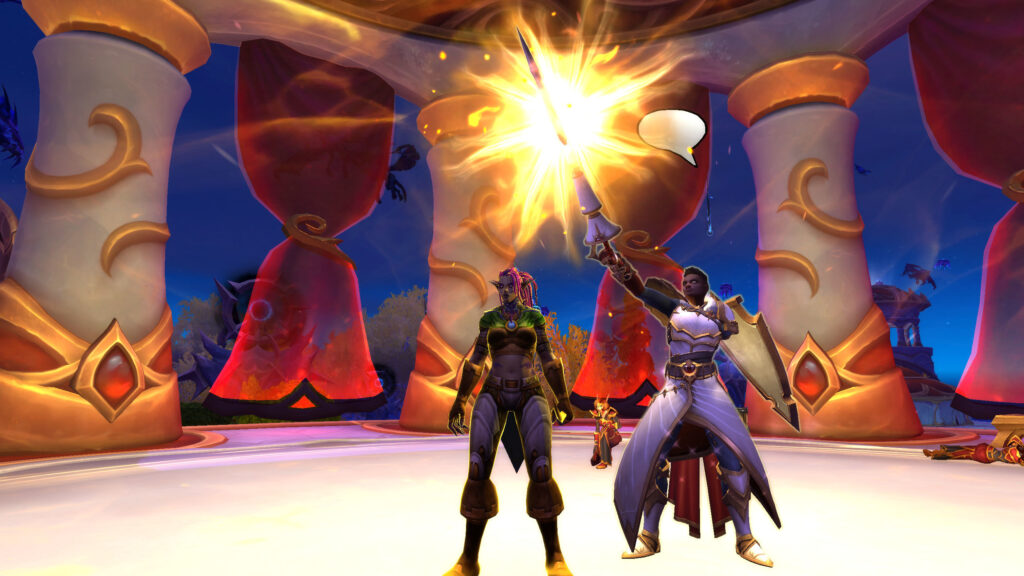
Each expansion pack has brought a wealth of new content, features, and classes that have reshaped the meta landscape. For instance, the introduction of Mythic+ dungeons in Legion created a new avenue for players to optimize their gameplay, leading to a greater emphasis on class synergy and utility in group compositions. Players began to prioritize classes with strong crowd control and damage mitigation abilities, leading to a shift in demand for certain specs in high-level content. The impact of new raid encounters, which often require specific mechanics and strategies, also forces players to adapt their class choices and build strategies. This constant influx of fresh content keeps the meta dynamic and ever-evolving.
Player Community and Competitive Scene
The rise of the esports scene and the World of Warcraft community has also played a crucial role in shaping the meta. As players began to share strategies through platforms like Twitch and YouTube, the dissemination of knowledge about optimal builds and strategies accelerated. Top players and guilds often set the standard for what is considered “meta,” leading to widespread adoption of specific class setups and strategies. Communities such as those found on forums and Discord have also contributed to this evolution, as players discuss and analyze parses, cooldowns, and encounter strategies. Understanding the competitive aspect of the game has led to a more strategic approach to class selection and group composition.
Table of Key Class Changes Over the Years
The following table outlines some of the significant class changes that have impacted the meta throughout the years. These adjustments have often led to shifts in player preferences and optimal builds.
| Expansion | Class/Spec Changes | Impact on Meta |
|---|---|---|
| The Burning Crusade | Introduction of the Blood Elf Paladin | Increased raid diversity and utility |
| Wrath of the Lich King | Death Knight class introduced | Shift in tanking and DPS roles |
| Legion | Mythic+ dungeons and Artifact weapons | Focus on class synergy and optimization |
| Battle for Azeroth | Allied Races with unique racial abilities | New class combinations and strategies |
| Shadowlands | Introduction of Covenants | Varied playstyles and added depth to class choices |
Future Trends and Considerations

As we look ahead, several trends are likely to influence the future of the meta in World of Warcraft. The continuous balancing of classes will remain a priority for Blizzard, particularly as new systems are introduced. The community’s feedback will play an essential role in shaping these changes, as players advocate for their favorite specs or classes. Additionally, the rise of new technologies and platforms for sharing gameplay will likely lead to even more rapid dissemination of strategies and build optimizations. Players should remain adaptable, as the meta will continue to evolve, driven by both developer changes and community innovations. Embracing this evolution is key to thriving in the ever-changing landscape of Azeroth.