
Jeremiah West
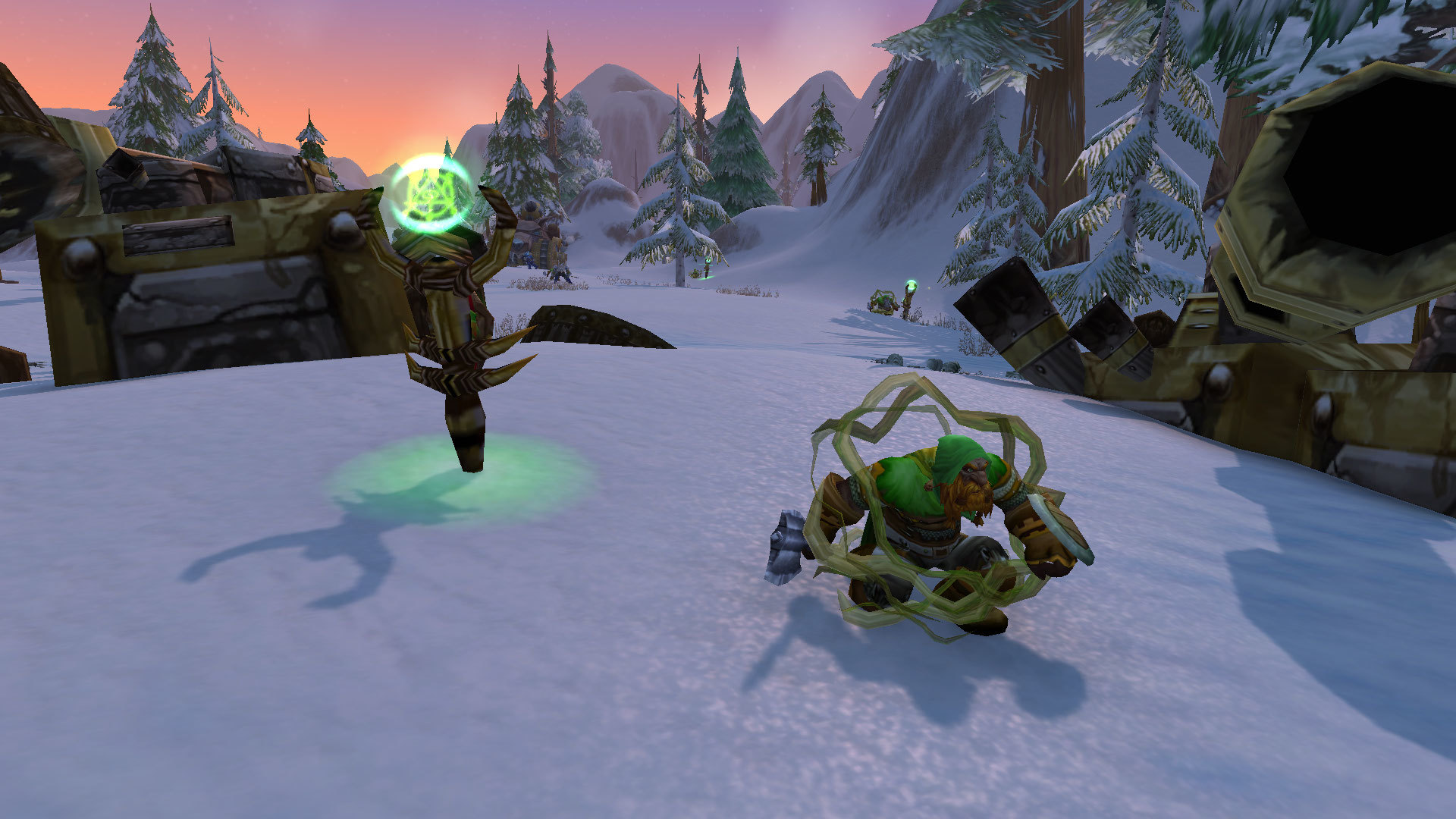
Since the inception of World of Warcraft, the Shaman class has undergone significant transformations, particularly in how totems function within gameplay. Originally, totems served as simple ground-placed stat sticks that provided minimal bonuses and utility. However, with each expansion, Blizzard has refined and redefined the Shaman’s toolkit, evolving totems into dynamic abilities that contribute substantially to group strategy and survivability. This article delves into the historical context of totems, their evolution, and how they have become integral to modern Shaman gameplay in both PvE and PvP environments.
The Early Days: Stat Sticks and Basic Utility
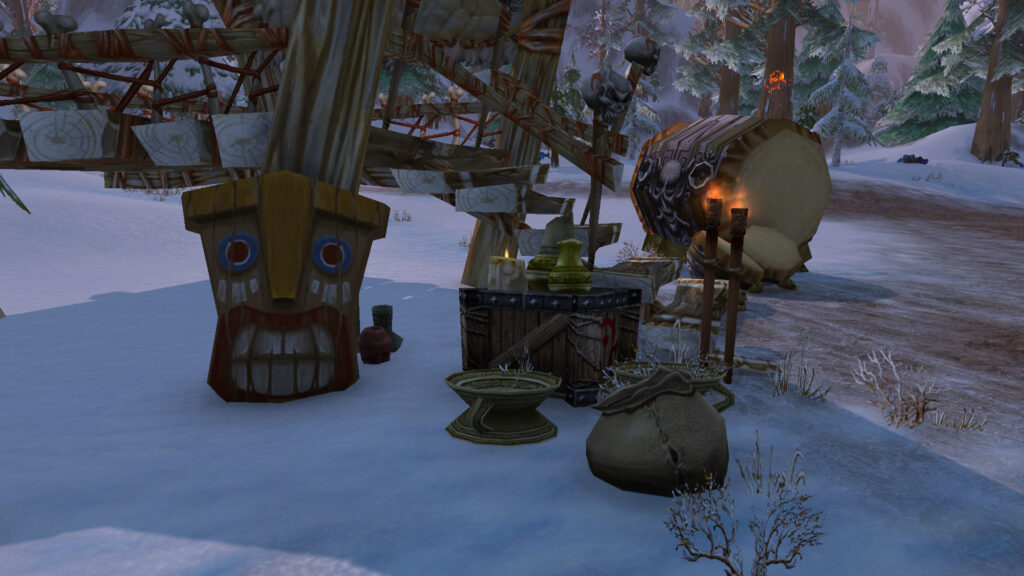
In the early versions of World of Warcraft, totems were primarily viewed as basic stat sticks that required minimal interaction from the player. Shamans could place these totems on the ground, providing various buffs to nearby allies or applying debuffs to enemies. The totem system was simple: each totem type offered a different benefit, such as increased damage or healing. Players often utilized these totems in a static manner, merely dropping them for the duration of encounters. This led to a gameplay style that focused heavily on positioning and timing, but did not require much in terms of active management or strategic planning, as most totems had long cooldowns and limited applications.
The Burning Crusade to Wrath of the Lich King: Introduction of Utility
With the release of The Burning Crusade, the Shaman class began to see more depth in its totem mechanics. The introduction of the Totemic Call ability allowed Shamans to summon multiple totems simultaneously, enhancing their utility in both raid and battleground scenarios. Furthermore, totems began to offer unique effects such as increased spell haste or damage reduction. This change prompted Shamans to develop strategies around totem placement and timing, as players started to recognize the importance of positioning for maximum synergy with group composition. The Wrath of the Lich King expansion further expanded this concept by introducing a variety of new totems, each with situational uses that encouraged more active participation in encounters.
Cataclysm to Mists of Pandaria: Totem Specialization and Cooldowns
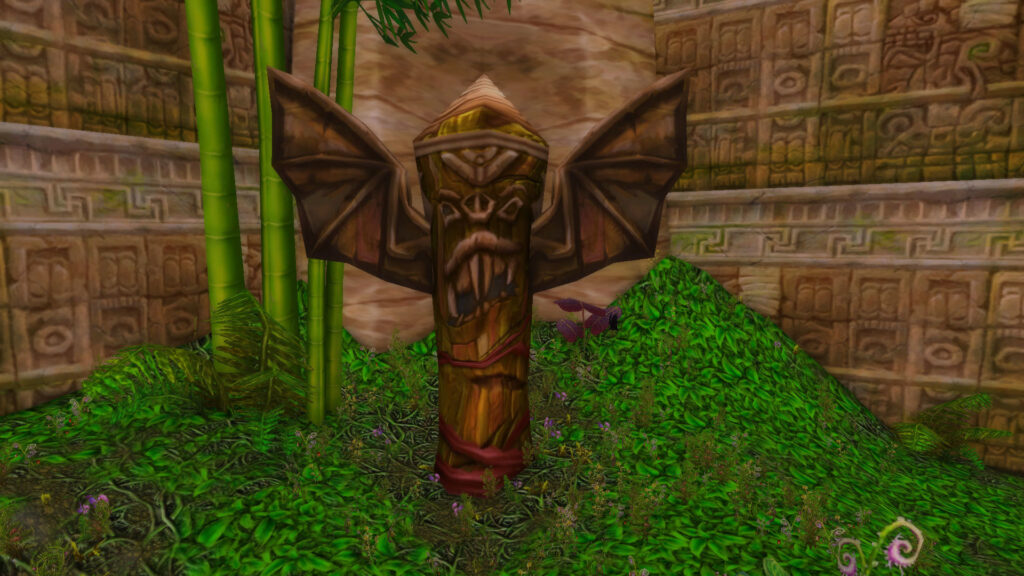
As we entered the Cataclysm expansion, the Shaman’s toolkit continued to evolve, with an emphasis on totem specialization. The introduction of the new talent trees allowed players to choose specific paths that enhanced their totem abilities, leading to more strategic gameplay. Totems like Spirit Link and Healing Tide became essential for raid encounters, introducing powerful cooldowns that could turn the tide of battle. This shift from passive buffs to active cooldowns marked a significant change in how totems were utilized. Shamans were now not only responsible for their personal DPS or healing but also played a crucial role in group survival. The importance of totem management became paramount, as players had to anticipate damage spikes and deploy their cooldowns effectively to mitigate wipes.
Warlords of Draenor to Battle for Azeroth: Totems as Strategic Tools
In Warlords of Draenor, the totem system underwent a complete overhaul, allowing Shamans to have more control and flexibility over their totem usage. The introduction of the new passive mechanic of totem stacking, alongside the ability to move totems after placement, added layers of strategy to gameplay. Shamans could now use totems not just for buffs, but as strategic tools to control aggro and manipulate enemy positioning in PvP situations. The expansion solidified the role of totems as essential components of Shaman gameplay, where players needed to think critically about when and where to deploy their abilities for maximum effect. The trend continued through Battle for Azeroth, where totems were further refined to offer unique synergies with other class abilities.
The Current State: Modern Utility and Tactical Integration
In the current iteration of World of Warcraft, totems have transformed into highly versatile tools that are integral to both raid and mythic+ strategies. Modern Shamans can utilize totem abilities that serve not only as buffs but also as crowd control and damage mitigation. The following table highlights some key totem abilities available to Shamans in the current meta:
| Totem Name | Function | Cooldown |
|---|---|---|
| Healing Tide Totem | Heals allies over time | 3 minutes |
| Spirit Link Totem | Shares health among allies | 3 minutes |
| Capacitor Totem | Stuns enemies in radius | 30 seconds |
The evolution of totems has led to a more tactical Shaman gameplay style, where players must constantly adapt to the flow of battle. This evolution is further supported by the necessity to incorporate totem use into a broader understanding of group dynamics, including synergy with other classes and awareness of enemy mechanics. As the game continues to evolve, Shamans will likely see further enhancements to their totem abilities, ensuring they remain a vital asset in any team composition.